
Handwritten: Scribal Culture and the Early Modern Woman Writer, 1500-1700

About
The practice of handwriting is crucial to literacy, communication, self-expression, and offers a direct window into human experience in the past. But handwriting in Australia is disappearing as keyboards replace the hand on the page. As our dependence on handwriting diminishes and our reliance on digital media increases, we risk losing this core skill connecting the past and present. The profound impact of this loss for Australians today – and how to counteract it – is yet to be understood. This project turns to the past to illuminate the enduring value of handwriting in the present. It will uncover a rich trove of handwritten documents by English Renaissance women, including those in Australian collections, to write a new literary history of writing by hand. This will unlock new knowledge about literacy, education, expression, creativity and labour, transforming understanding of this foundational human technology.
People
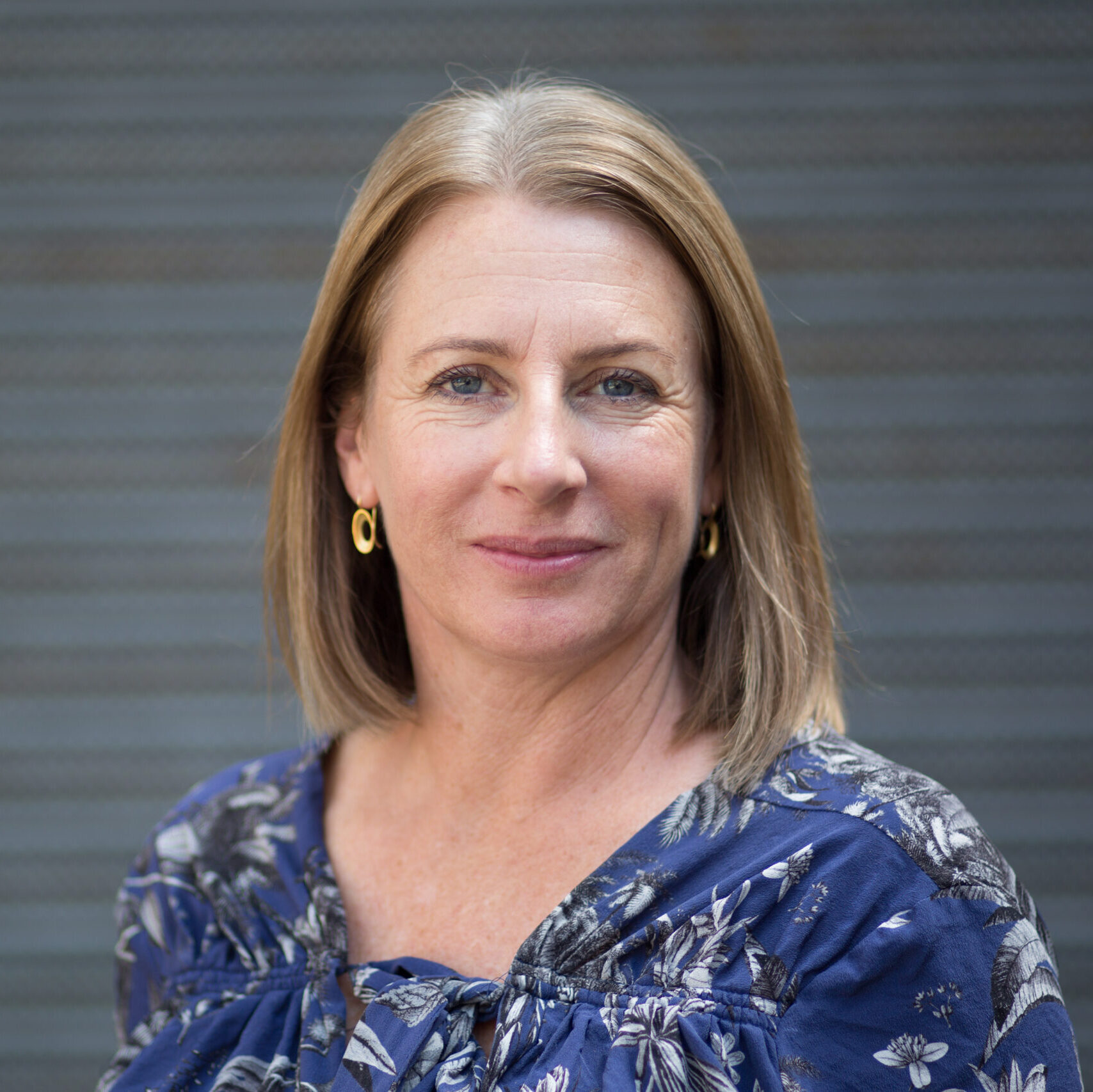
Professor Rosalind Smith
Rosalind Smith is Chair of the Discipline of English and Director of the Centre for Early Modern Studies at the Australian National University, and is co-convenor of the Early Modern Women Research Network. She works on gender, form, politics and history in early modern women’s writing, with particular interests in the ways in which women’s writing is produced, circulated and received. She is the author of Sonnets and the English Woman Writer, 1560-1621: The Politics of Absence (2005), co-editor of the collections Material Cultures of Early Modern Women’s Writing (2014) and Early Modern Women and Complaint: Gender, Form, Politics (2020), and general editor, with Trisha Pender, of the Palgrave Encyclopedia of Early Modern Women’s Writing. As an Australian Research Council Future Fellow, her current research project is on early modern women’s marginalia, partnering with the University of Oxford and the Folger Shakespeare Library. She has led two ARC Discovery Projects on the material cultures of early modern women’s writing and early modern women and the poetry of complaint, both involving large international teams and a mix of digital and traditional publication outcomes. She is currently the lead investigator of an ARC Linkage project collaborating with State Library Victoria on the Emmerson collection, Australia’s first early modern archive of scale, that seeks to understand and contextualise this bequest of over 5000 early modern books as well as provide digital pathways for scholarly and public engagement with the collection.

Professor Mitchell Whitelaw
Professor Mitchell Whitelaw is an academic, writer, and maker with interests in digital design and culture, data practices, more-than-human worlds, and digital collections. His work has appeared in journals including Leonardo, Digital Creativity, Digital Humanities Quarterly, and Senses and Society. He has worked with institutions including the State Library of NSW, the State Library of Queensland, the National Archives, and the National Gallery of Australia, developing “generous” interfaces to their digital collections. Mitchell is currently a Professor in the School of Art and Design at ANU.

Professor Michelle O'Callaghan
Michelle O’Callaghan is Professor of Early Modern Literature at the University of Reading. She has published extensively on early modern literature and culture, from the Inns of Court and tavern societies to women’s engagement in literary cultures. Her major books are The ‘shepheards nation’: Jacobean Spenserians and early Stuart political culture, 1612-1625 (Oxford, 2000), The English Wits: Literature and Sociability in Early Modern England (Cambridge, 2007), Thomas Middleton, Renaissance Dramatist (Edinburgh, 2009), and Crafting Poetry Anthologies in Renaissance England: Early Modern Cultures of Recreation (Cambridge, 2020). She is currently co-writing a monograph with Rosalind Smith and Sarah Ross, Early Modern Women and the Poetry of Complaint.

Dr Claire Hansen
Claire Hansen is a Senior Lecturer in English at the Australian National University. She is Secretary of the Australian and New Zealand Shakespeare Association (ANZSA), a member of the Shakespeare Reloaded project and co-chair of the ‘Heart of the Matter’ research group and the ANU Health Humanities Network. She is the author of Shakespeare and Place-Based Learning (Cambridge University Press, 2023) and Shakespeare and Complexity Theory (Routledge, 2017) and co-editor of Reimagining Shakespeare Education (Cambridge University Press, 2023) and Critical Approaches to the Australian Blue Humanities (Routledge, 2024). Claire is an award-winning educator, most recently awarded the AAUT Award for Teaching Excellence (2025).
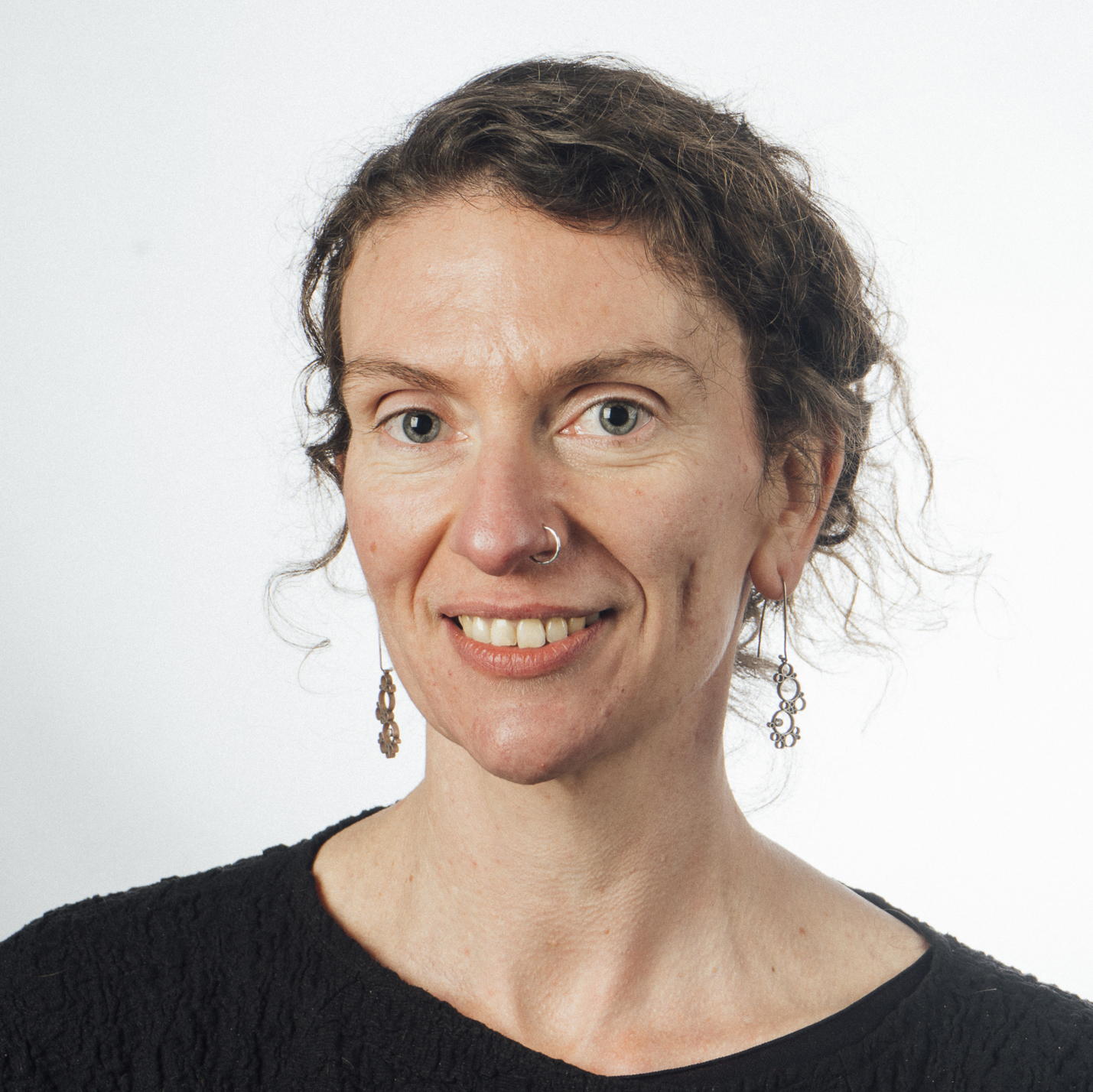
Dr Christina Clarke
Christina is a transdisciplinary material culture historian who works across art history, visual arts, archaeology, digital humanities and women’s history. She is currently a Research Fellow at the ANU School of Literature, Languages and Linguistics where she is undertaking postdoctoral research for Handwritten: Scribal Culture and the Early Modern Woman Writer, 1500-1700 (DP260101432). She has previously worked on ARC-funded digital humanities projects Marginalia and the Early Modern Woman Writer, 1530-1660 (FT180100371) and Performing Transdisciplinarity (DP170102666). Christina has published articles in Historical Metallurgy, West 86th and Journal18, among others, and co-edited Choix de Chansons: A Digital Critical Edition (2023). Her first monograph, The Manufacture of Minoan Metal Vessels: Theory and Practice, was published in 2013 by Astrom Editions.

James Whiting
James Whiting is a PhD candidate in English in the School of Literature, Languages, and Linguistics at the Australian National University. His research interests include Mary and Elizabeth Tudor, Katherine Parr, Anne Boleyn, early modern women’s literary networks, and the history of the book. He holds a BA (Hons) in English and Theatre and Performance Studies from the University of New South Wales. As an undergraduate, James was awarded The Cate Blanchett Prize and the University Medal for Theatre and Performance Studies. He has also worked as a theatre writer, dramaturge, and as a qualified librarian.
Partner Institutions

University of Reading
This research is supported by the Australian Government through the Australian Research Council Discovery Project scheme (Handwritten: Scribal Culture and the Early Modern Woman Writer, 1500-1700 DP260101432).
Image Credit: Marginalia by Ann Mansell in Philip Sidney, The Countesse of Pembrokes Arcadia (London, 1628), Emmerson Collection, State Library of Victoria, RAREEMM 241/6. Image courtesy of the State Library of Victoria.